
Transitioning to Secondary School Booklist

Updated: Sep 24
This booklist brings together carefully chosen reads to support children in Year 6 and Year 7 as they prepare for, or settle into, secondary school. It includes reassuring guides, relatable stories and graphic novels that explore friendship changes, growing independence, worries about fitting in and the excitement of new opportunities. Teachers and parents can use these titles to help children talk about their feelings, build confidence and see that they are not alone in finding the move to secondary school a big step.
Transitioning to secondary school booklist:
Directly about starting secondary school
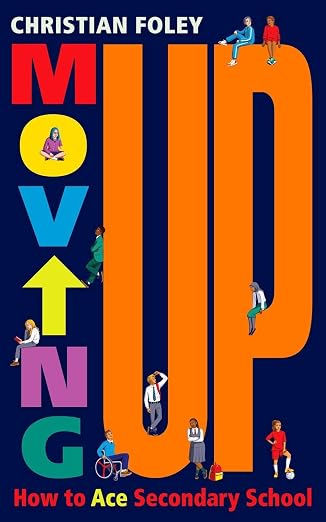
Moving Up
by Christian Foley
A reassuring, poetry-infused guide that talks honestly about worries, hopes and “big feelings” around the move to secondary school, with activities and prompts that work well in class or at home.

Go Big: The Secondary School Survival Guide
by Matthew Burton
Written by a secondary headteacher, this friendly guide answers real questions about homework, friendships, bullying and finding your way around a new school, making it ideal for Year 6 and Year 7 pupils and their families.

No Worries: Your Guide to Starting Secondary School
by Jenny Alexander
A practical, down-to-earth handbook that helps children name their worries about starting secondary school and offers simple strategies so they feel more confident and in control.
Confidence, resilience and mindset

You Are Awesome: Find Your Confidence and Dare to be Brilliant at (Almost) Anything
by Matthew Syed
A book that shows children how practice and perseverance matter more than “natural talent”, helping 9–13-year-olds build a growth mindset as they face challenges at secondary school.

Break the Mould: How to Take Your Place in the World
by Sinéad Burke
Encourages children to celebrate what makes them different, understand their rights and speak up for themselves and others, making it a powerful read for pupils worried about fitting in.

All the Ways to Be Smart
by Davina Bell and Allison Colpoys
A beautifully illustrated picture book that reminds children that being “smart” includes creativity, kindness and curiosity, offering a gentle self-esteem boost before tests and transition.
Relatable fiction about school, friendships and fitting in

Can You See Me?
by Libby Scott and Rebecca Westcott
Tally, an autistic girl starting secondary school, navigates friendships, routines and sensory overload, helping readers understand autism and reassuring anyone who feels different that they are not alone.

The Extremely Embarrassing Life of Lottie Brooks
by Katie Kirby
A funny, diary-style story following Lottie through her first year at high school, full of friendship dramas, cringe moments and body changes that many tweens will recognise.

The Final Year
by Matt Goodfellow
A verse novel about a boy in Year 6 dealing with friendship shifts, family pressures and the upcoming move to secondary school, with short, accessible poems that still carry strong emotional punch.
Graphic novels and highly visual reads

New Kid
by Jerry Craft
Jordan starts at a prestigious new school where he often feels like an outsider, and the graphic format makes themes of race, class, belonging and starting over very approachable for 10–13-year-olds.

Awkward
by Svetlana Chmakova
After an embarrassing first day at a new school, Peppi finds herself caught between friendship groups and social rules, offering a visual, relatable way to talk about peer pressure and kindness.

Frankie's World
by Aoife Dooley
Frankie feels different from everyone around her and wonders if she might be autistic, just as she faces new school and family changes, making this a supportive choice for pupils exploring identity and diagnosis.
Identity, belonging and “finding your voice”

A Kind of Spark
by Elle McNicoll
Addie, an autistic girl in a Scottish village, campaigns for a memorial to women persecuted as witches, inviting readers to think about justice, prejudice and the power of speaking up

Being Miss Nobody
by Tamsin Winter
Painfully shy Rosalind starts an anonymous blog to call out bullying when she moves to secondary school, opening up nuanced discussions about online behaviour, popularity and consequences.

The Boy at the Back of the Class
by Onjali Raúf
When a refugee boy joins their class, a group of friends come up with a plan to help him, offering an accessible way to explore empathy, activism and inclusion with upper primary and early secondary readers.
We hope this secondary school transition booklist helps make the move feel a little less daunting, giving children the confidence, reassurance and inspiration they need to embrace this exciting new chapter.
16 No‑Cost and Low-Cost Book Hacks: Keep Children Reading All Summer
Keeping children reading over the summer can be a challenge, so we've put together 16 free and low-cost book hacks to keep them engaged all holiday long - Read more here.


